Dopamine – the brain’s primary motivation-neurotransmitter
Any form of drug addiction involves the production of dopamine.
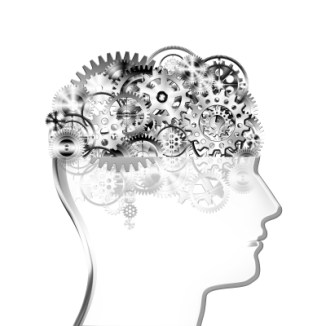 The brain’s dopamine pathways serve as a built-in reward system. By creating sensations something akin to desire, yearning or wanting sensations, its primary purpose is to motivate us to pay attention to the activities deemed important to survival. And when we do the thing it wants us to, we feel – well… “Ahhh!” … Rewarded.
Our Survival Instincts have been on board since the beginning. I like to call this part of the brain the Beast-brain, because it acts without conscious thought. It’s the part of the brain that creates discomfort when there is a “need” – food, air, water, sleep, shelter, and sex.
The development of the prefrontal cortex – the part of the brain responsible for decision-making and critical judgment – tends to confuse us as to just how primal these instincts really are. After all, we think of these things as a desire for eating, having a nice drink, taking a deep breath, getting a good nights rest, keeping warm, and bonding (sex).
But think about it – why do people sometimes drown? It’s because the need for air is so strong that we take a breath, even when we “know” we cannot. And I would never eat insects, yet if I were starving on a deserted island, my survival instincts would have me eating all kinds of odd things!
And the brain doesn’t just insist on survival. It records and archives how its needs, or “wanting’s,” were satisfied the best, creating very detailed dopamine neuropathways about these events.
Addictions and Cravings
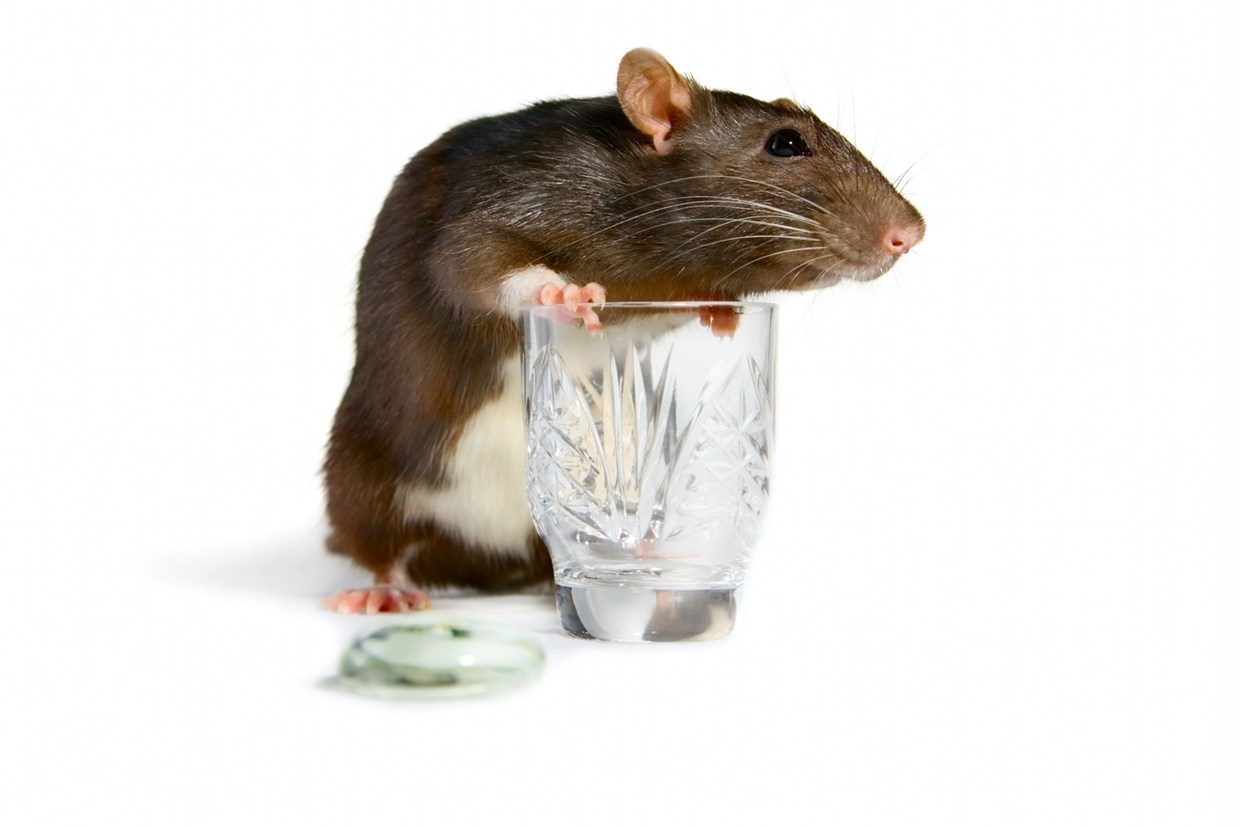
What scientists have finally proven is that certain chemicals, once inside the brain, can activate the mind’s dopamine pathway circuitry, virtually hijacking the mind’s perceived priorities for survival. By creating a false instinct, as strong or stronger than the true survival behaviors, experiments with rats have demonstrated that they will choose cocaine over water and food… all the way to their death!
But rats aren’t like people, you say, and of course you are right. But what scientists have found is that addictions have somehow landed in the survival-instinct part of the brain. It is the common thread in all chemical addictions – including cocaine, heroin, meth, nicotine and alcohol.
Remember that this part of the brain is pre-decision making – the Beast Brain. You can only hold your breath for so long before this part of the brain will gasp for a breath. And an addict can only resist the desire for his or her preferred chemical for so long before the beast-brain will override reason and find him or herself searching. Craving.
Drugs of abuse feel good to the user. After taking the drug for a while, the feel-good parts of the brain need to take more of the drug to get the same good feeling. Before long, the brain and body must have the drug to just feel normal. And finally, the user feels sick and awful without the drug. Addiction.
Addiction is “a permanent priorities-disorder and is a disease of the mind.” (John R. Polito, Freedom from Nicotine – The Journey Home)
Although this may seem harsh, there is no longer any question to its truth. He goes on to say:
“The good news is that knowledge is power, and we can grow smarter than our addiction. Full recovery is entirely do-able for all. In fact, today there are more ex-users in the U.S. than there are users.
While the first few days may feel like an emotional train wreck, each passing day the challenges grow fewer, generally less intense and shorter in duration. Recovery leads to a calm and quiet mind where addiction chatter and wanting gradually fade into rarity, where the ex-user begins going days, weeks or even months without once wanting their substance.”
If you know someone who is addicted, I hope this article has helped you understand a little better – that it’s not about bad choices, weak character, or that they simply don’t care enough. It’s more about a misunderstanding – the brain believes it needs the substance. And it’s the part of the brain that has no interest it what the person actually wants.
If you are addicted to a substance, get some help. It’s very hard to go at it alone.

 Counseling TidBits